Introduction
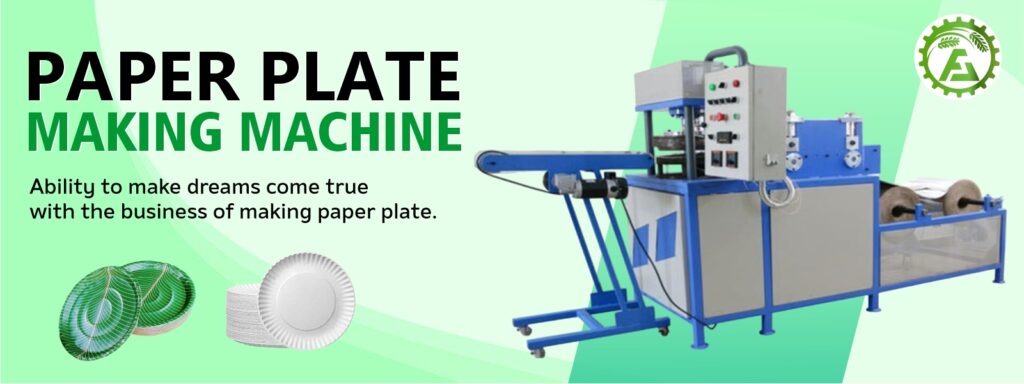
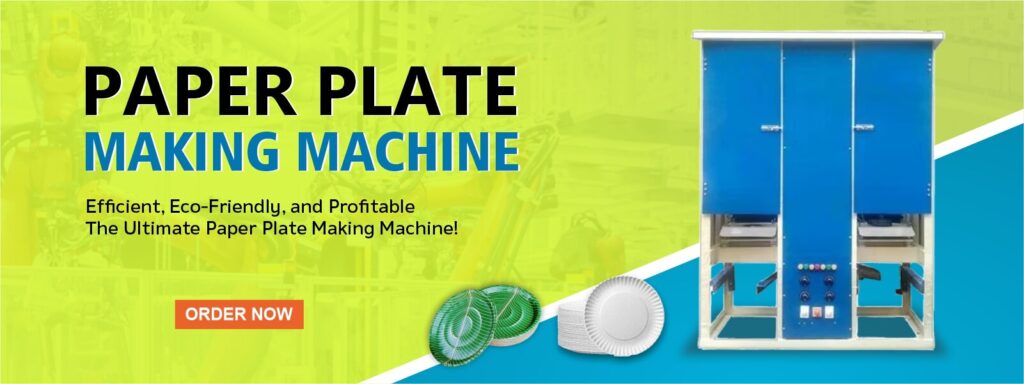
Paper plate making has evolved significantly due to technological advancements. With rising demand for disposable and eco-friendly tableware, manufacturers are introducing innovative features to enhance productivity, sustainability, and efficiency. This article explores the latest innovations shaping the paper plate manufacturing industry.
1. Fully Automated Machines for High Efficiency
Traditional paper plate machines required significant manual labor, but modern fully automated machines streamline the process from raw material feeding to plate cutting and stacking.
✅ Advantages:
- Reduces human intervention, increasing production speed.
- Ensures consistent plate quality and minimal wastage.
- Can operate for long hours with minimal supervision.
Some models now come with AI-driven automation, allowing manufacturers to monitor performance in real-time and optimize settings for maximum efficiency.
2. Multi-Purpose Machines for Versatility
Previously, different machines were required to produce plates of various sizes and shapes. Multi-purpose paper plate machines can now handle multiple molds and raw materials, including:
- Different plate diameters (6-inch, 8-inch, 10-inch, etc.).
- Bowls, trays, and other disposable tableware.
- Biodegradable and recycled paper materials.
This innovation makes it easier for businesses to diversify their product range and cater to broader markets.
3. Eco-Friendly & Biodegradable Plate Production
With increasing environmental concerns, manufacturers are integrating features to support eco-friendly production:
- Machines designed to process biodegradable materials such as sugarcane bagasse, bamboo pulp, and areca leaves.
- Advanced heat-press technology to create durable plates without harmful chemicals.
- Reduced energy consumption, ensuring a lower carbon footprint.
These innovations align with global sustainability trends and government regulations promoting eco-friendly alternatives.
4. Energy-Efficient Machines with Smart Sensors
Modern paper plate machines are now equipped with energy-saving mechanisms, including:
- Automatic power control: Machines adjust power consumption based on load requirements.
- Smart sensors: Detect operational issues and optimize performance, reducing electricity usage.
- Solar-powered options: Some machines can run on renewable energy sources, making them cost-effective for small businesses.
These features help reduce electricity costs while maintaining high production efficiency.
5. Noise Reduction Technology for Better Work Environment
Older paper plate machines were noisy, making factory environments uncomfortable. Newer models now feature:
- Soundproof casing and vibration-dampening materials.
- Low-noise motors that ensure smooth operation without excess sound.
- Better cooling systems to prevent overheating, reducing machine wear and tear.
This innovation enhances workplace safety and productivity by creating a more comfortable manufacturing space.
6. Touchscreen & IoT-Enabled Machines for Easy Operation
User-friendly touchscreen interfaces allow manufacturers to control settings with minimal technical expertise. Many machines now come with:
- IoT (Internet of Things) connectivity for remote monitoring and troubleshooting.
- Real-time production data analytics to track output and minimize downtime.
- Pre-programmed templates for different plate designs, reducing setup time.
These features make it easier for businesses to automate production and manage operations efficiently.
7. High-Speed Production Capabilities
New-generation machines can produce 100–200 plates per minute, significantly increasing output compared to older models.
✅ How this is achieved:
- Double-die technology to manufacture two plates at once.
- High-speed hydraulic press mechanisms for faster shaping and cutting.
- Improved feeding systems that minimize raw material waste.
High-speed production helps businesses meet large-scale orders efficiently and improve profit margins.
8. Customizable Plate Designs with Advanced Molding Technology
Customers today demand unique plate designs. Innovative machines now support:
- Customizable molds for intricate patterns and branding.
- Laser-cut precision molds for sharp edges and better finishing.
- Embossed and textured designs for premium-quality disposable plates.
This innovation is particularly useful for businesses supplying event planners, hotels, and catering services.
9. Easy Maintenance & Durability Enhancements
Modern machines are designed for longer operational life with minimal maintenance.
- Self-lubricating systems prevent wear and tear.
- Rust-resistant and stainless-steel components enhance durability.
- Modular designs allow easy part replacements without halting production.
These improvements ensure cost-effective machine maintenance and better ROI.
10. AI-Powered Quality Control for Zero Defects
Artificial Intelligence (AI) is being integrated into paper plate machines to detect defects and ensure quality control.
- Automated cameras inspect each plate for inconsistencies.
- AI algorithms identify defects and remove faulty plates.
- Automated adjustments ensure consistent plate thickness and shape.
This innovation minimizes waste and improves customer satisfaction with superior-quality plates.
Conclusion
The paper plate manufacturing industry is embracing technological advancements to improve efficiency, sustainability, and customization. From AI-driven quality control to eco-friendly materials, these innovations are helping businesses increase productivity and profitability while reducing environmental impact.