How Does a Paper Plate Making Machine Work? A Step-by-Step Breakdown
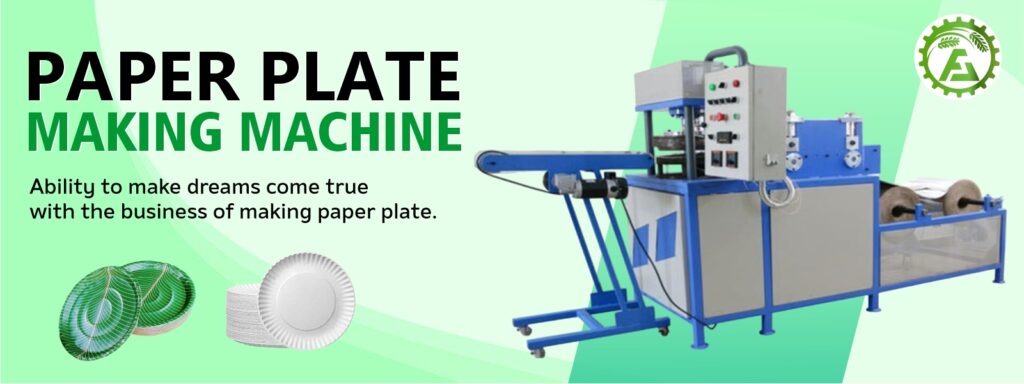
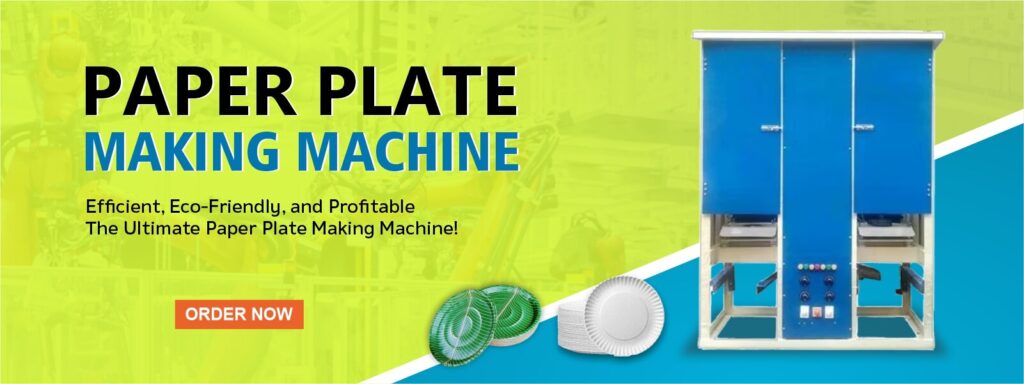
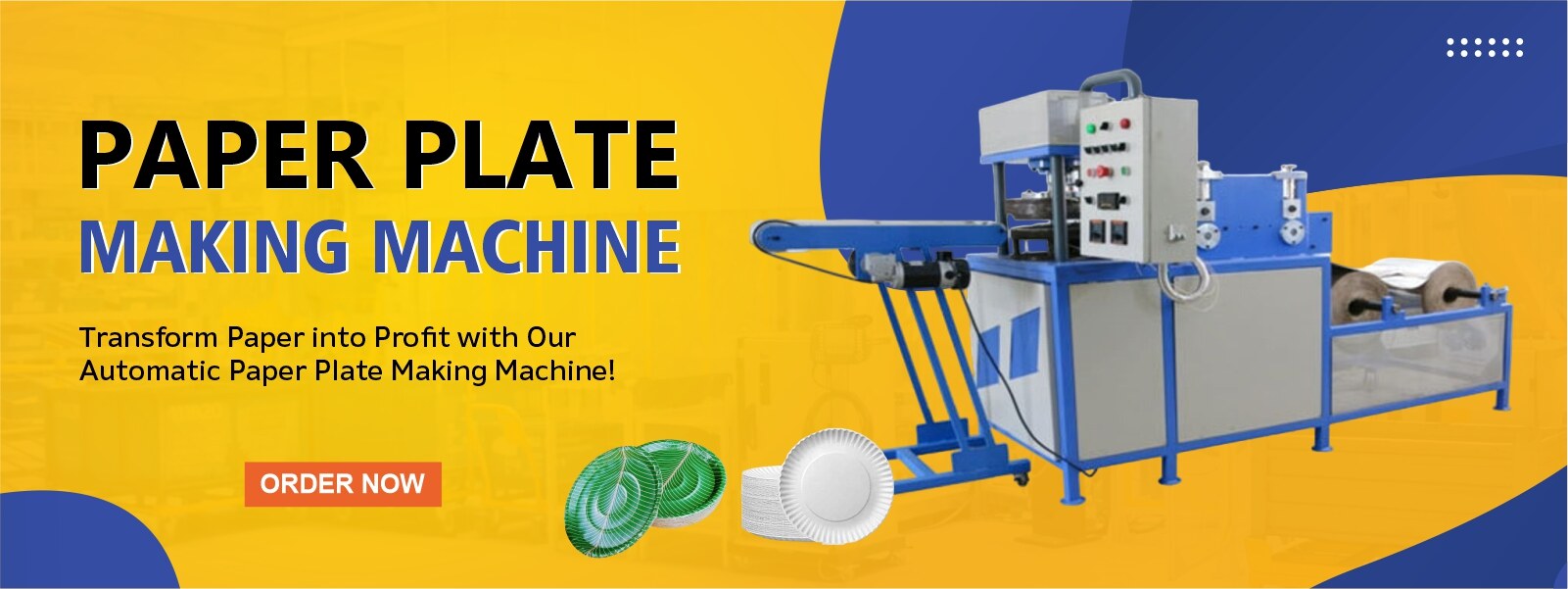
Paper plate-making machines have revolutionized the disposable tableware industry, offering an efficient and cost-effective way to produce paper plates. Whether manually operated or fully automatic, these machines follow a systematic process to transform raw materials into finished products. This article provides a step-by-step breakdown of how a paper plate-making machine works.
Step 1: Raw Material Selection and Preparation
The primary raw material for paper plate manufacturing is paperboard or kraft paper, often coated with polyethylene to enhance durability and water resistance. The paper rolls or sheets are cut into suitable sizes based on the desired plate dimensions. Some businesses use eco-friendly and biodegradable materials to cater to sustainable markets.
Step 2: Feeding the Material into the Machine
Once the raw material is ready, it is fed into the machine manually or through an automated feeding system. Fully automatic machines come with roll-feeding mechanisms that continuously supply the material for uninterrupted production, whereas semi-automatic machines may require an operator to place sheets into the cutting section.
Step 3: Die Cutting and Shaping
A crucial stage in the paper plate-making process is die cutting, where the raw material is shaped into plates using pre-designed molds. The machine applies heat and pressure to cut and press the paper into the desired form.
- Manual machines: Require the operator to place each sheet in the mold before cutting.
- Semi-automatic machines: Feature a mechanical system that feeds the paper to the mold with minimal human intervention.
- Fully automatic machines: Perform the entire process seamlessly, from feeding to cutting and shaping.
Step 4: Edge Rolling and Sealing
Once the plates are cut, their edges need to be rolled or sealed to enhance durability and provide a neat finish. The machine applies heat and pressure to curl the edges, preventing the layers from separating. This step ensures that the plates maintain their structure when used for serving food.
Step 5: Quality Control and Inspection
After shaping and sealing, the plates go through a quality control check to ensure uniformity in size, shape, and strength. Defective plates with improper cuts, misaligned edges, or weak structures are separated for recycling or disposal.
Step 6: Stacking and Packaging
Once the plates pass quality control, they are stacked in specified quantities and prepared for packaging. In automatic machines, stacking is integrated into the system, reducing the need for manual labor. The plates are then packed into bundles and made ready for distribution to retailers or wholesalers.
Types of Paper Plate Making Machines
Paper plate-making machines vary in automation levels and operational complexity:
- Manual Machines – Require full operator involvement for feeding, cutting, and collecting finished products. Suitable for small-scale businesses.
- Semi-Automatic Machines – Reduce human intervention with mechanical feeding and cutting but still require some manual effort.
- Fully Automatic Machines – Operate independently with minimal supervision, capable of producing large volumes in a short time.
Factors to Consider When Using a Paper Plate Machine
- Material Selection: The quality and thickness of the paper affect durability.
- Die Size and Design: Different plate sizes and patterns require customized dies.
- Machine Speed: Measured in plates per hour, affecting overall production capacity.
- Power Consumption: Energy-efficient models can lower operational costs.
- Maintenance Needs: Regular cleaning and servicing extend machine lifespan.
Conclusion
Paper plate-making machines simplify the manufacturing process, ensuring efficiency and high productivity. By understanding each step involved, businesses can optimize operations and meet market demands effectively. Whether for small-scale or large-scale production, selecting the right machine plays a vital role in determining overall success in the disposable tableware industry.