Introduction
The demand for eco-friendly disposable tableware has led to the widespread use of paper plates. Unlike plastic, paper plates are biodegradable and environmentally friendly, making them a preferred choice for events, restaurants, and everyday use. This article explores the entire process of making paper plates, from sourcing raw materials to packaging the final product.
Step 1: Sourcing Raw Materials
The primary raw material for making paper plates is paperboard, which is derived from wood pulp. The paperboard can be virgin (freshly made from wood pulp) or recycled. Virgin paperboard is stronger, while recycled variants contribute to environmental sustainability. Some manufacturers also use bio-coated paper, which enhances durability and resistance to moisture.
Step 2: Cutting and Shaping the Paper
Once the raw materials are sourced, large sheets or rolls of paperboard are cut into smaller pieces using automated cutting machines. These pieces are designed to match the intended size of the final plate. The cutting process is precise, ensuring minimal waste and uniformity in size.
Step 3: Die Cutting and Molding
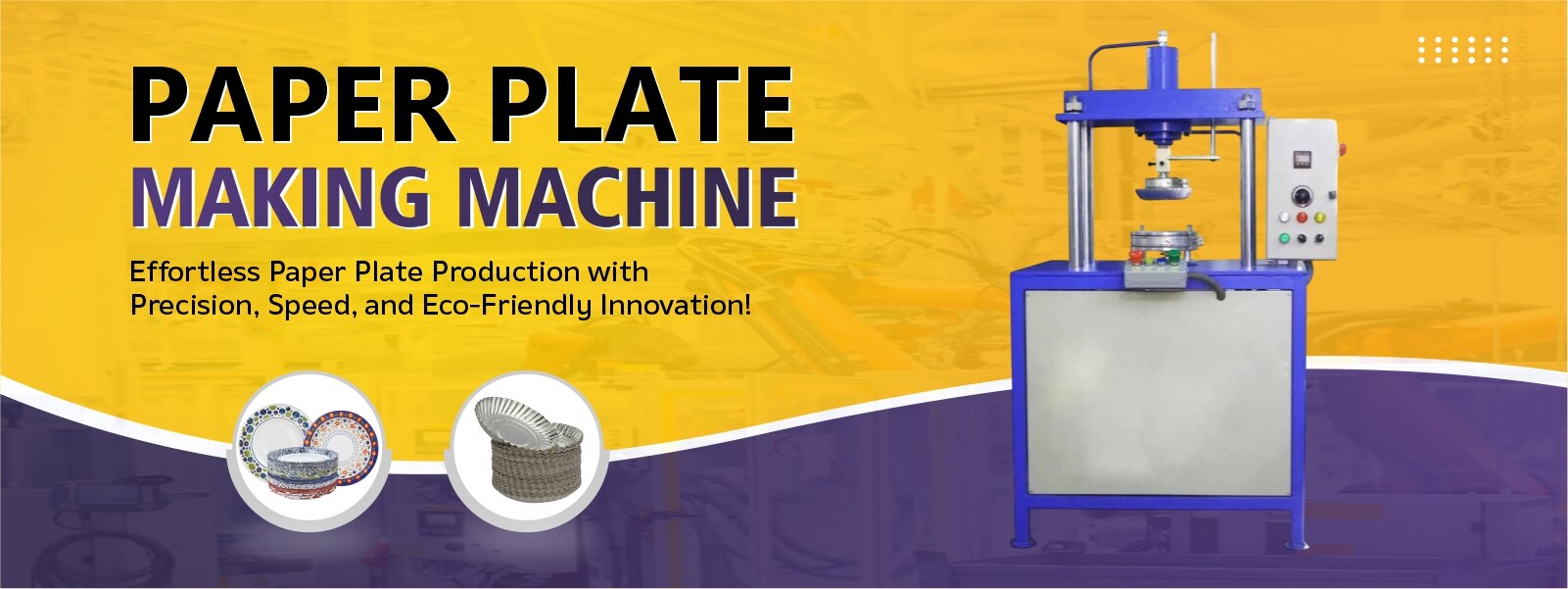
Die-cutting machines then shape the cut paper into circular or other desired shapes. The cut paper pieces are placed into molds that determine the plate’s design. Hydraulic or pneumatic pressure is applied to press the paper into the mold, ensuring a firm structure. In this step, ridges, edges, or embossments can be added to enhance aesthetics and functionality.
Step 4: Coating for Durability
To increase durability and make the plates resistant to oil and water, some manufacturers apply a thin layer of coating. This coating may be made of food-grade wax, polylactic acid (PLA), or polyethylene. PLA is a popular eco-friendly option derived from corn starch, making the plates compostable.
Step 5: Drying and Cooling
Once the plates are molded and coated, they undergo a drying process. This step ensures that the coating adheres well and that any residual moisture is eliminated. Cooling follows immediately after drying, solidifying the structure and preventing deformation.
Step 6: Trimming and Quality Control
After drying, the plates go through a trimming process to remove excess paper and refine their shape. Quality control checks are performed to ensure that the plates meet the required standards. Inspectors check for defects such as cracks, weak edges, or uneven coating. Faulty plates are either recycled or discarded.
Step 7: Printing and Branding (Optional)
Some manufacturers print logos, patterns, or messages on the plates for branding or decorative purposes. This step uses food-safe inks to ensure safety for consumers. Printing can enhance market appeal and make the plates more suitable for specific events or commercial branding.
Step 8: Packaging and Distribution
Once the plates pass quality checks, they are packed in sets based on market demand. Packaging materials include plastic wraps, paper covers, or biodegradable bags. The packaged products are then distributed to wholesalers, retailers, and consumers.
Conclusion
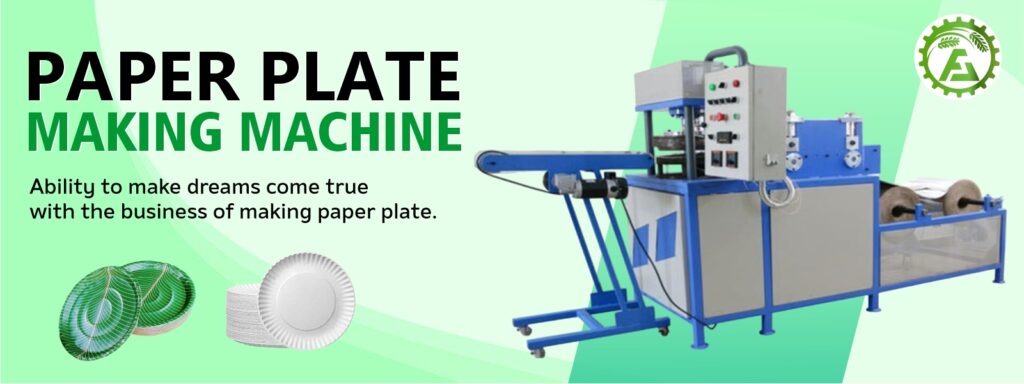
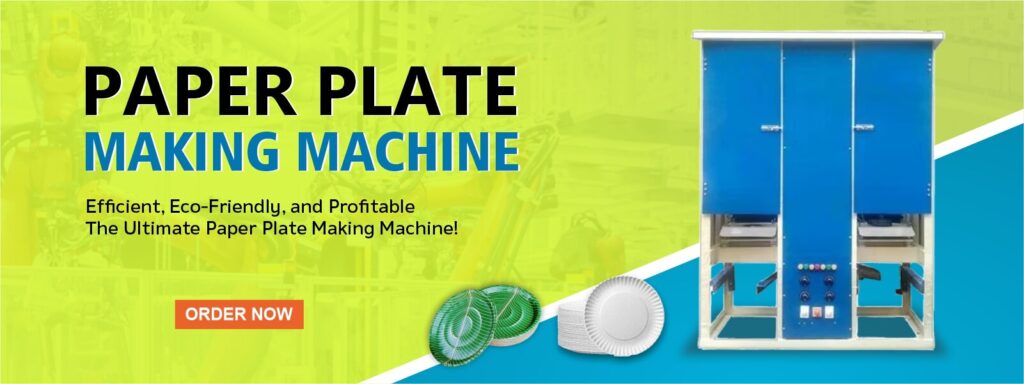
The paper plate making process involves multiple steps, from selecting raw materials to distributing the finished products. With growing environmental awareness, manufacturers are adopting sustainable methods to produce biodegradable and compostable paper plates. This process ensures that consumers receive high-quality, eco-friendly alternatives to plastic tableware.A paper plate making machine is a device used to manufacture disposable paper plates efficiently.