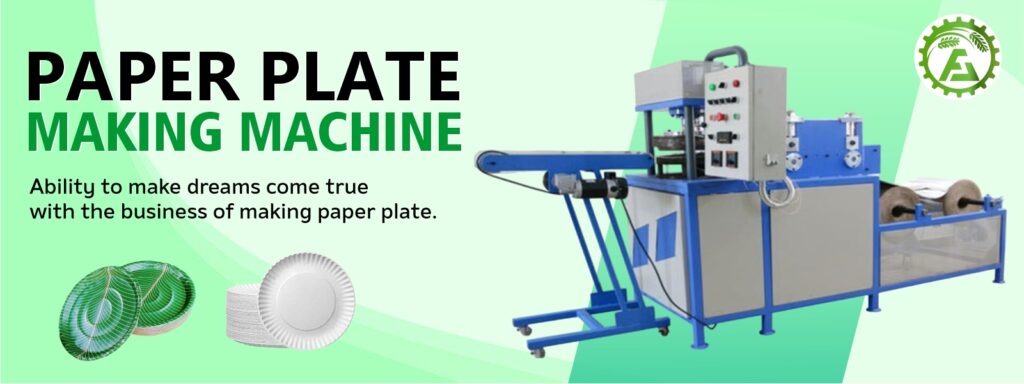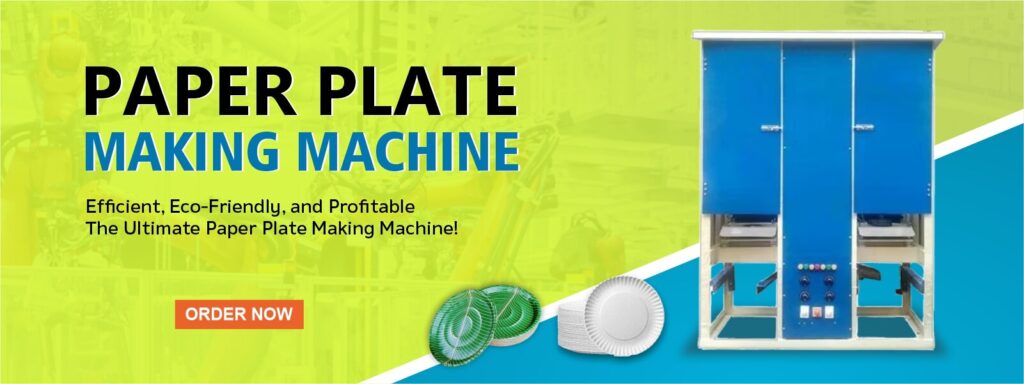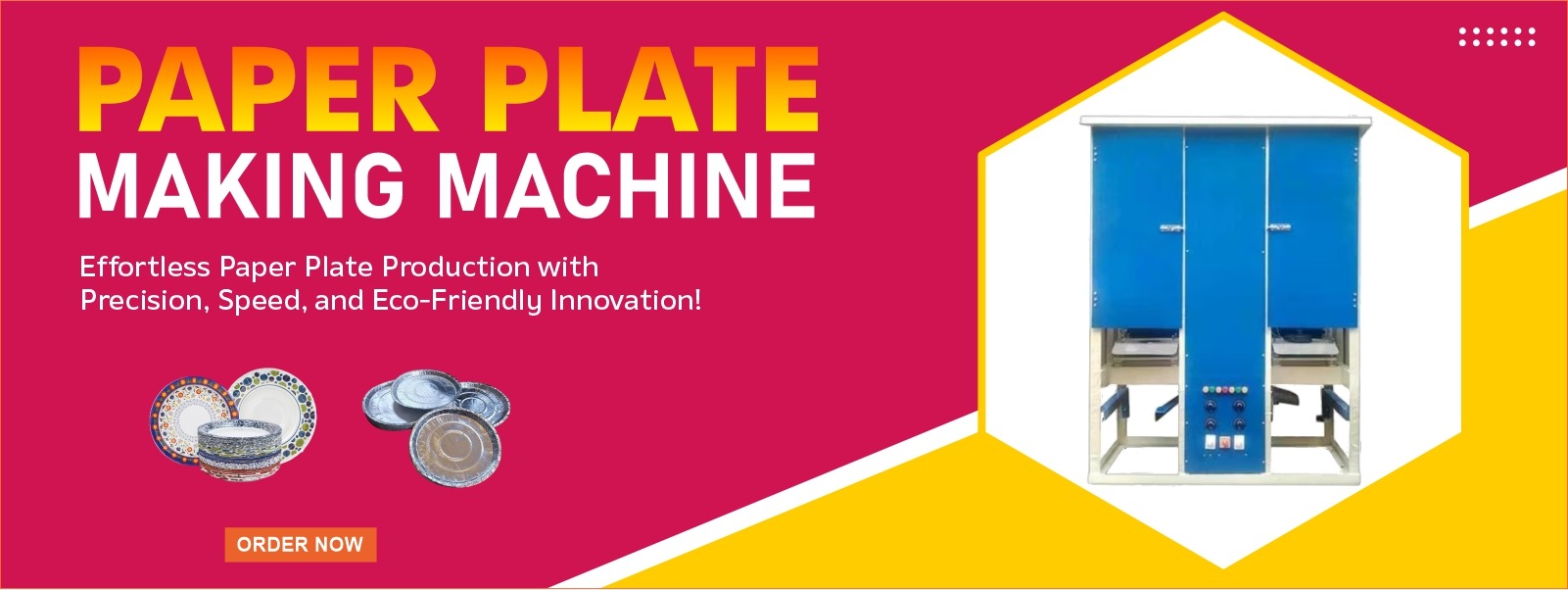
Paper plate making machines are a vital investment for businesses involved in disposable tableware production. Proper maintenance ensures their longevity, reduces downtime, and enhances efficiency. This guide provides essential maintenance tips to keep your machine running smoothly for years to come.
1. Regular Cleaning
Why It’s Important
Over time, dust, paper residues, and lubricants accumulate in various parts of the machine, affecting its performance.
How to Clean
- Clean the die and cutting sections daily to prevent residue buildup.
- Use a dry cloth to wipe off dust and debris from the surface.
- Avoid using excessive water, as it may cause rusting.
- Use compressed air to clean hard-to-reach areas.
2. Lubrication of Moving Parts
Why It’s Important
Lubrication minimizes friction, prevents wear and tear, and keeps the machine operating smoothly.
How to Lubricate
- Use high-quality industrial lubricants as recommended by the manufacturer.
- Apply lubrication to bearings, gears, and chains weekly.
- Wipe off excess oil to prevent accumulation of dirt.
- Keep a maintenance log to track lubrication schedules.
3. Inspection of Electrical Components
Why It’s Important
Faulty electrical components can cause breakdowns and safety hazards.
How to Inspect
- Regularly check wiring connections for looseness or damage.
- Ensure the control panel is functioning correctly.
- Monitor voltage supply to prevent power fluctuations.
- Replace worn-out fuses and switches immediately.
4. Proper Belt and Chain Maintenance
Why It’s Important
Belts and chains transfer power to different machine parts; a malfunction can halt production.
How to Maintain
- Check for any cracks, fraying, or looseness.
- Adjust belt tension as per manufacturer guidelines.
- Replace worn-out belts and chains to prevent sudden failures.
- Ensure proper alignment to reduce unnecessary strain.
5. Die and Mold Care
Why It’s Important
Dies and molds play a crucial role in shaping and cutting plates, and their condition affects product quality.
How to Maintain
- Clean dies after every shift to remove paper dust and glue residues.
- Apply anti-rust coatings if the machine is not used for an extended period.
- Inspect for signs of wear or deformation and replace if needed.
6. Monitoring Hydraulic and Pneumatic Systems
Why It’s Important
These systems control pressing mechanisms and require precise pressure levels for optimal function.
How to Maintain
- Regularly check hydraulic oil levels and refill when necessary.
- Inspect hoses for leaks or blockages.
- Test air compressors and pressure settings to ensure proper functionality.
- Replace filters as needed to maintain clean airflow.
7. Software and Sensor Calibration
Why It’s Important
Automated machines rely on sensors and software to ensure accurate operation.
How to Maintain
- Regularly update software as recommended by the manufacturer.
- Calibrate sensors to maintain precision in cutting and forming.
- Reset the system if errors or misalignments occur.
8. Avoid Overloading
Why It’s Important
Overloading puts excessive stress on the machine, leading to premature wear.
How to Prevent
- Operate the machine within its recommended capacity.
- Avoid using substandard raw materials that might jam the system.
- Allow the machine to rest periodically during long production runs.
9. Scheduled Professional Servicing
Why It’s Important
Professional servicing helps detect hidden problems before they cause major breakdowns.
How to Implement
- Schedule servicing every 6–12 months based on usage.
- Follow the manufacturer’s recommended maintenance plan.
- Have certified technicians inspect and fine-tune components.
10. Employee Training on Machine Handling
Why It’s Important
Improper handling is one of the leading causes of machine damage.
How to Train Employees
- Provide hands-on training on operating procedures.
- Educate staff about common issues and troubleshooting techniques.
- Emphasize safety protocols to prevent accidents.
Conclusion
Proper maintenance of your paper plate making machine ensures longevity, reduces downtime, and increases productivity. By following these tips—regular cleaning, lubrication, inspection, and professional servicing—you can extend the life of your equipment and maximize your investment. Implement a proactive maintenance schedule today and keep your business running efficiently!