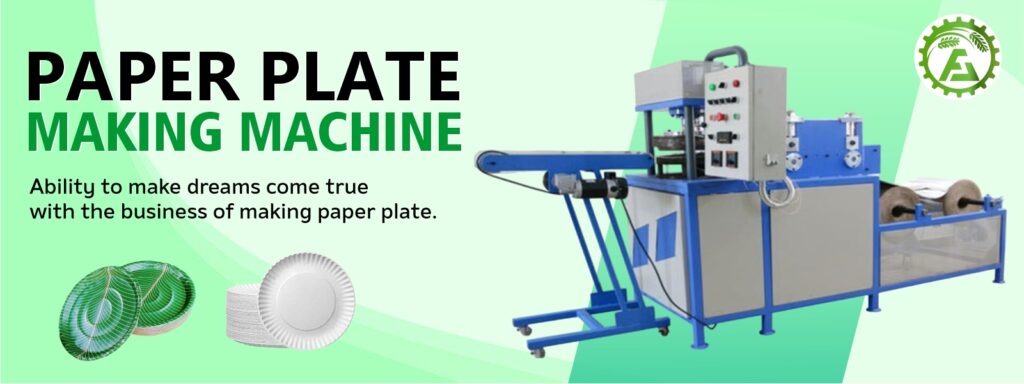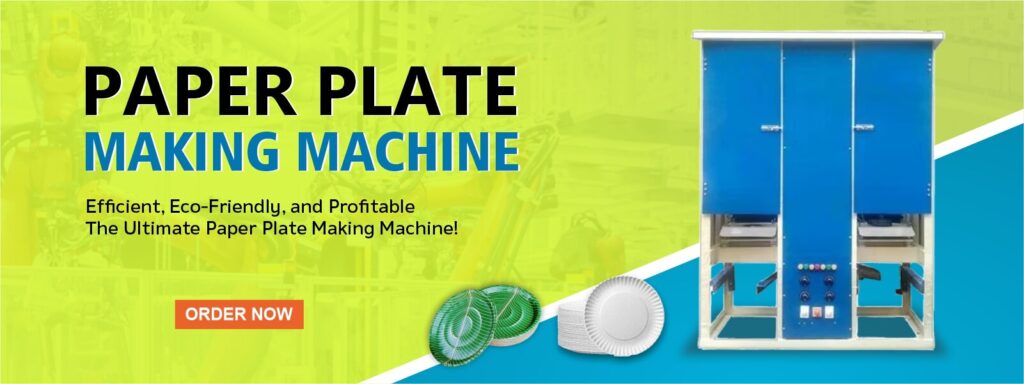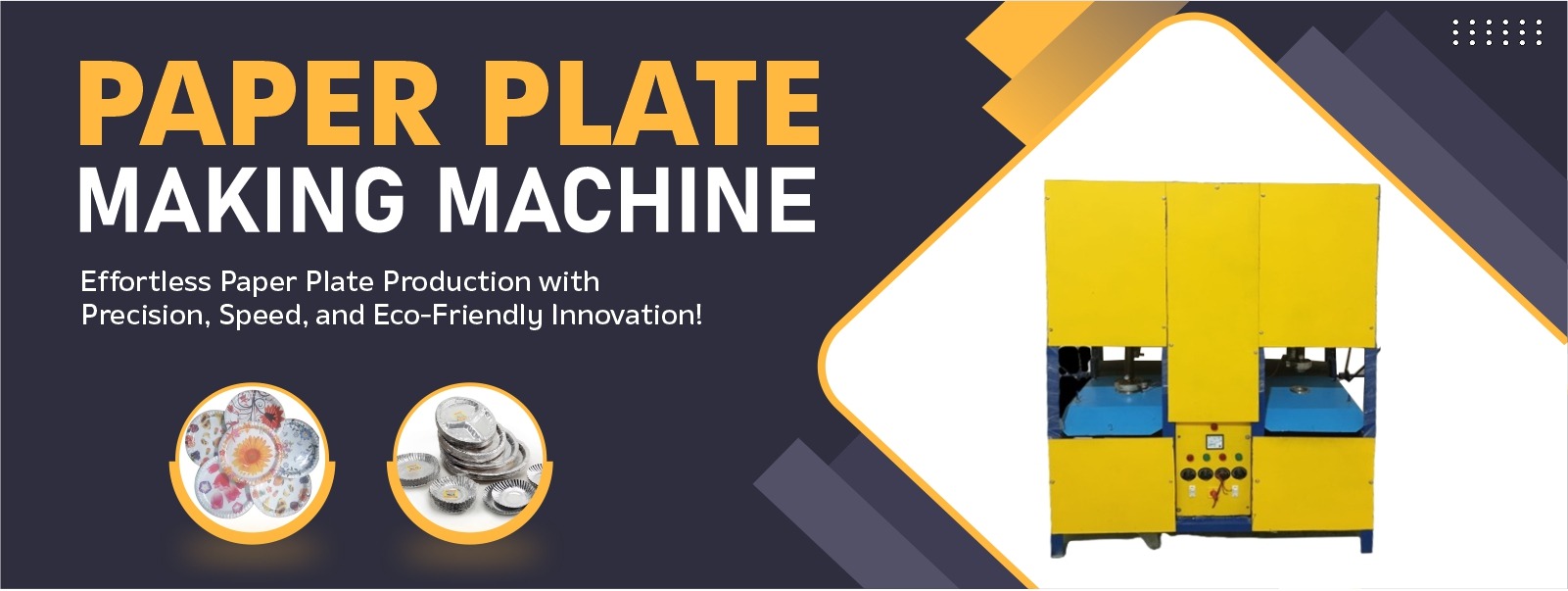
Starting a paper plate manufacturing business can be a profitable venture, especially with the growing demand for eco-friendly disposable tableware. However, choosing the right paper plate-making machine is crucial to your success. This guide will help you understand the key factors to consider before investing in a machine.
1. Understand Your Business Needs
Before purchasing a paper plate-making machine, define your business goals. Consider the following factors:
- Production Volume: How many plates do you plan to produce daily?
- Plate Sizes and Shapes: Do you need a machine that can produce multiple sizes and designs?
- Material Type: Are you using plain paper, laminated paper, or biodegradable materials?
- Budget: How much are you willing to invest?
2. Types of Paper Plate Making Machines
There are three main types of paper plate-making machines:
a) Manual Paper Plate Machines
- Requires human effort for operation.
- Low investment cost.
- Best suited for small-scale businesses.
- Slower production capacity.
b) Semi-Automatic Paper Plate Machines
- Partially automated with some manual intervention.
- Medium investment cost.
- Suitable for medium-scale businesses.
- Moderate production speed.
c) Fully Automatic Paper Plate Machines
- Fully automated process with minimal human intervention.
- Higher investment but offers high efficiency.
- Ideal for large-scale production.
- Higher speed and consistency in plate quality.
3. Key Features to Consider
When selecting a machine, pay attention to these important features:
- Production Speed: Measured in plates per hour.
- Power Consumption: Energy-efficient machines reduce operating costs.
- Durability and Build Quality: Stainless steel and high-grade materials ensure longevity.
- Customization Options: Machines that support various plate sizes and designs add flexibility.
- Ease of Maintenance: Simple maintenance leads to better uptime.
4. Cost Analysis: Investment vs. Returns
It’s important to analyze the cost-effectiveness of the machine. Consider:
- Initial Purchase Cost: Compare different brands and models.
- Operational Costs: Includes electricity, labor, and raw materials.
- Maintenance and Repair Costs: Machines with easy maintenance reduce long-term expenses.
- Profit Margins: Calculate expected revenue and return on investment (ROI).
5. Space and Installation Requirements
Before purchasing, ensure that you have adequate space for machine installation and operation. Also, check:
- Power Supply Requirements
- Ventilation and Safety Measures
- Ease of Relocation (if needed)
6. Brand and Manufacturer Reputation
Choosing a reputable manufacturer ensures reliability and good after-sales support. Research:
- Customer Reviews and Testimonials
- Warranty and Service Support
- Availability of Spare Parts
7. Compliance with Environmental and Safety Standards
With increasing environmental concerns, it’s essential to invest in a machine that supports eco-friendly production. Also, ensure compliance with local safety regulations.
8. Comparing Different Models and Suppliers
Request quotes from multiple suppliers and compare:
- Features vs. Price
- Warranty and Support
- Additional Accessories Offered
9. Testing Before Purchase
If possible, visit a supplier’s facility or request a demo to check the machine’s performance, efficiency, and ease of operation.
10. Future Scalability and Expansion
Invest in a machine that allows you to scale your production as your business grows. Consider:
- Upgradable Features
- Compatibility with Additional Equipment
- Market Demand for New Product Variants
Conclusion
Choosing the right paper plate-making machine requires careful consideration of your business needs, machine types, cost, features, and supplier reliability. By making an informed decision, you can ensure high efficiency, profitability, and long-term success in the paper plate manufacturing business.